
727 Temporary Accommodation project sets new benchmark in government collaboration
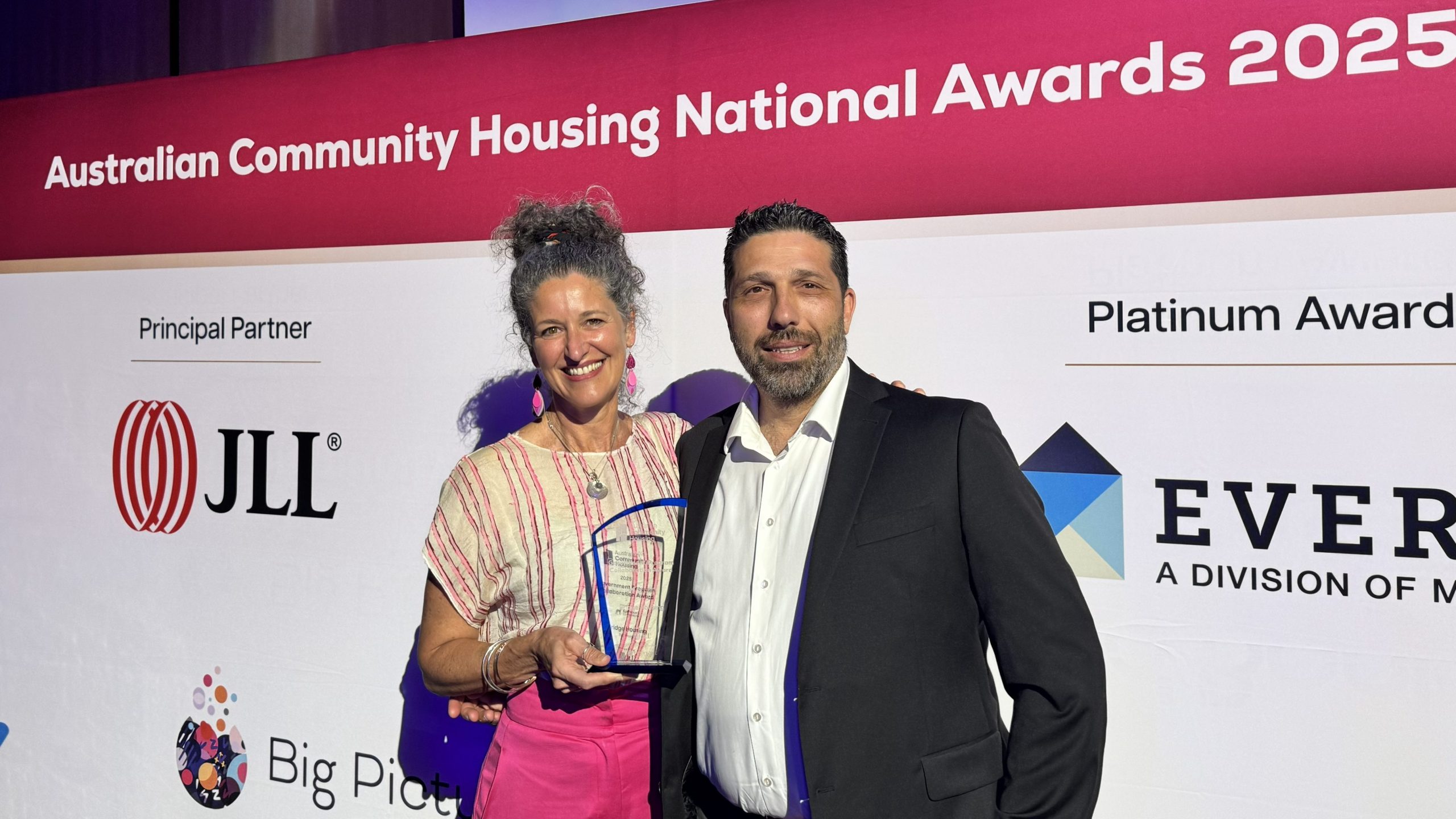
The 727 Supported Temporary Accommodation (TA) project received the Government Program Collaboration Award at the inaugural Australian Community Housing Conference held in November. The recognition reflects what can be achieved when government and community partners work side by side to address homelessness.
727 exemplifies the power of collaboration to address the wicked problem of homelessness, with Bridge bringing together local, state and federal governments to deliver an innovative solution addressing this urgent and pressing need. Prior to its implementation, homelessness on the Northern Beaches of Sydney was escalating as homelessness services reached capacity, rents skyrocketed and vacancy rates hit an all-time low. People facing homelessness were accessing TA in commercial motels, often spending months living in small rooms lacking the facilities and support needed to find pathways to stable housing. The isolation of motel accommodation often made it harder to access the medical, mental health or drug and alcohol support people really needed. This in turn, impacted the safety and wellbeing of the people staying in TA as well as the local community. At the same time, escalating motel rates saw the local Temporary Accommodation (TA) budget blowing out.
As the local provider of TA on the Northern Beaches, Bridge knew something needed to change. The most vulnerable members of our community needed care and crisis support if they were to break the cycle of homelessness and find stability. But the issue wasn’t unique to the Northern Beaches, with Homes NSW seeing a similar pattern across the state.
Collaboration for change
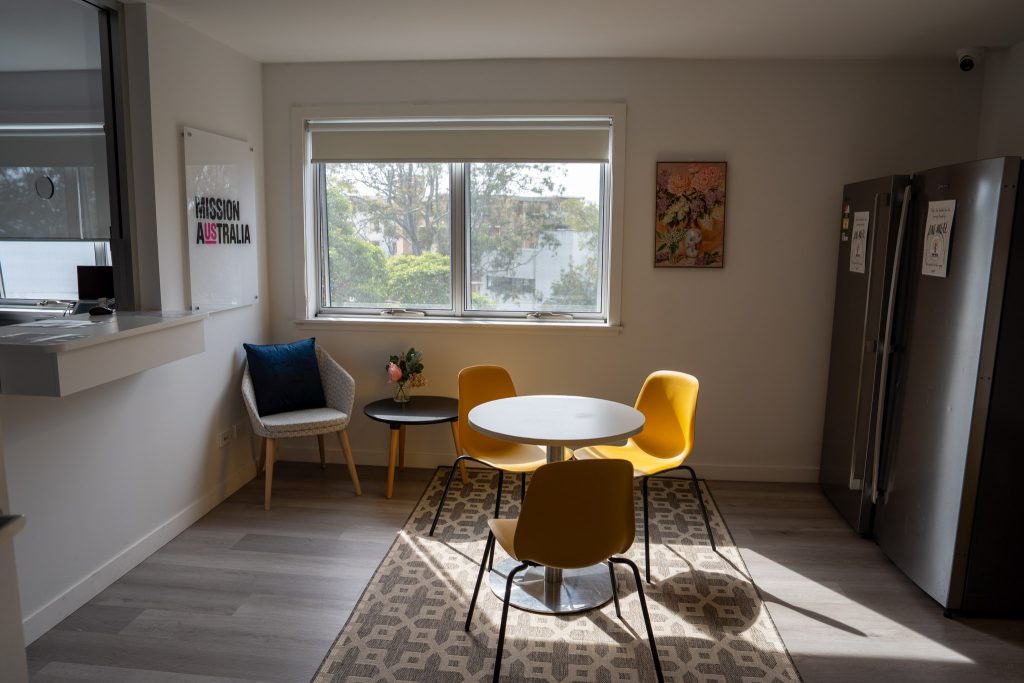
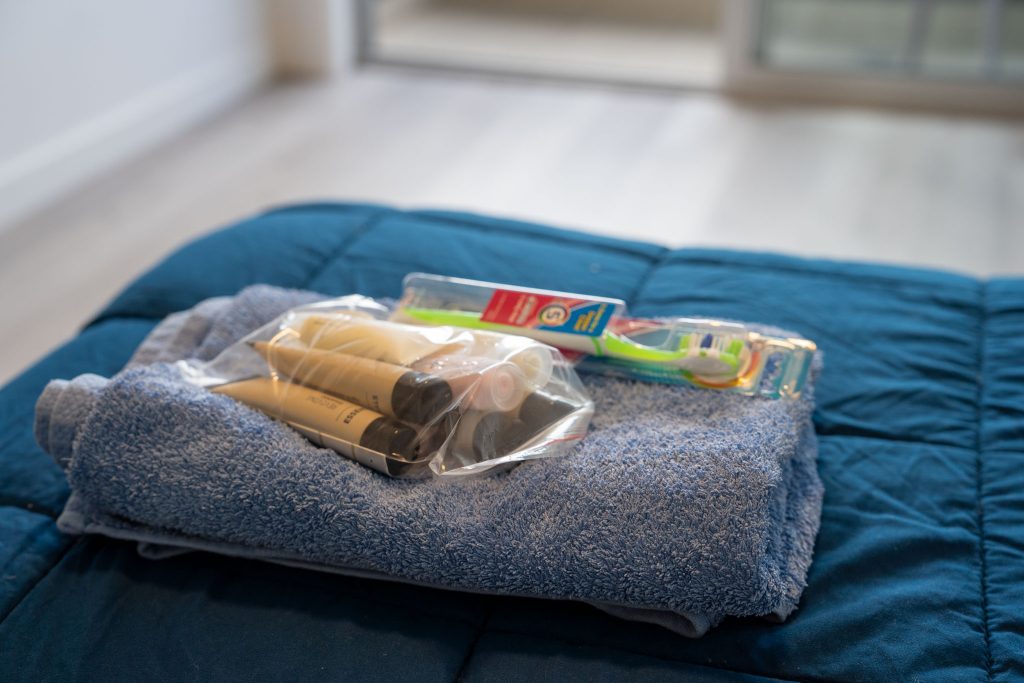
We saw an opportunity to transform TA service delivery through the purchase of a well-located, 23-room, new generation boarding house, providing an alternative to motels. Clients would have privacy and dignity in a self-contained studio apartment, with support provided by the local Specialist Homelessness Service partner, Mission Australia. Staff would be onsite daily to proactively work with clients to move out of TA and towards stable housing. But there was no clear funding pathway.
Bridge pitched the idea to Homes NSW, who saw its potential and were keen to use the model as a pilot for replication. They wanted to improve TA outcomes for clients and reduce expenditure, particularly the outlay to commercial motel operators. Homes NSW provided a grant contribution to fund the acquisition of the property, with operating and support costs funded through nightly TA payments under the local Private Rental Assistance budget managed by Bridge. In addition to the Homes NSW funding, Bridge worked with the Commonwealth Government to secure debt financing through Housing Australia to enable the acquisition of the property.
NSW Planning regulations presented another barrier, preventing boarding houses from being used for TA. Bridge worked with Homes NSW to advocate to the NSW Housing and Planning Ministers for changes that would enable boarding houses and other properties to be used for short term crisis accommodation, unlocking suitable properties for people experiencing homelessness. This change was approved and implemented in 2024/25, with 727 the first property approved for a change of use under the newly established meanwhile use pathway.
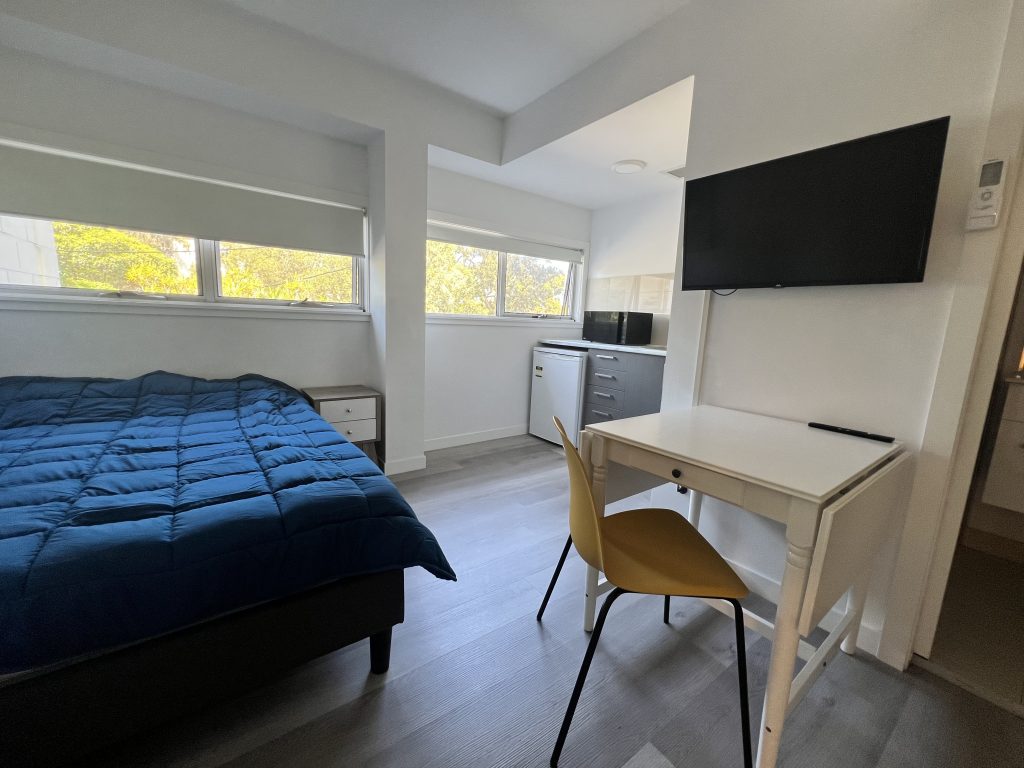
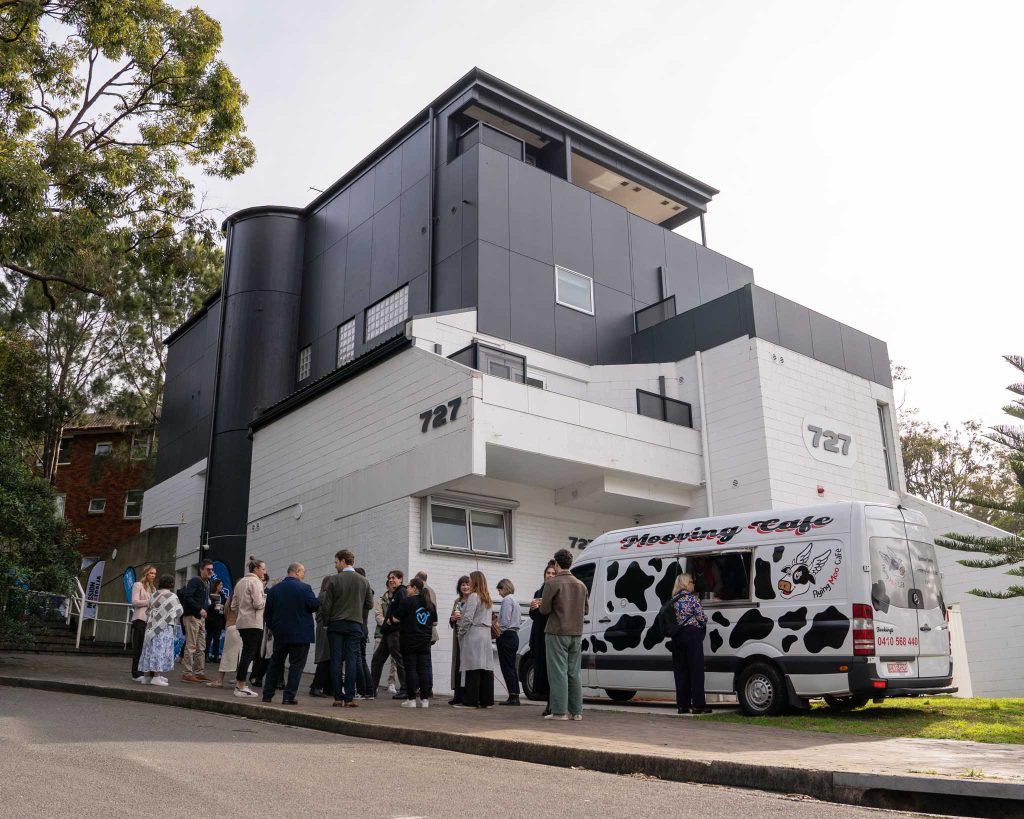
The impact of a TA program that has embedded support alongside safe accommodation, is measurable. Average stays in temporary accommodation on the Northern Beaches have dropped from more than 180 days to just 22. More than half of all clients transition from TA into a housing pathway. .
The 727 model is now influencing change across the sector. Social Futures is developing innovative supported TA programs in Northern NSW, responding to the needs of their local area. A formal evaluation of 727 is underway to help inform how temporary accommodation can be delivered effectively into the future.
727 shows that homelessness can be rare, brief and non-recurring – when collaboration leads the way.